A Balcony Garden That Fits in a Window Box
Even a windowsill can grow a week's worth of herbs. Set up a small-space garden that survives sun, wind and a forgetful week, one pot at a time.
Key takeaways
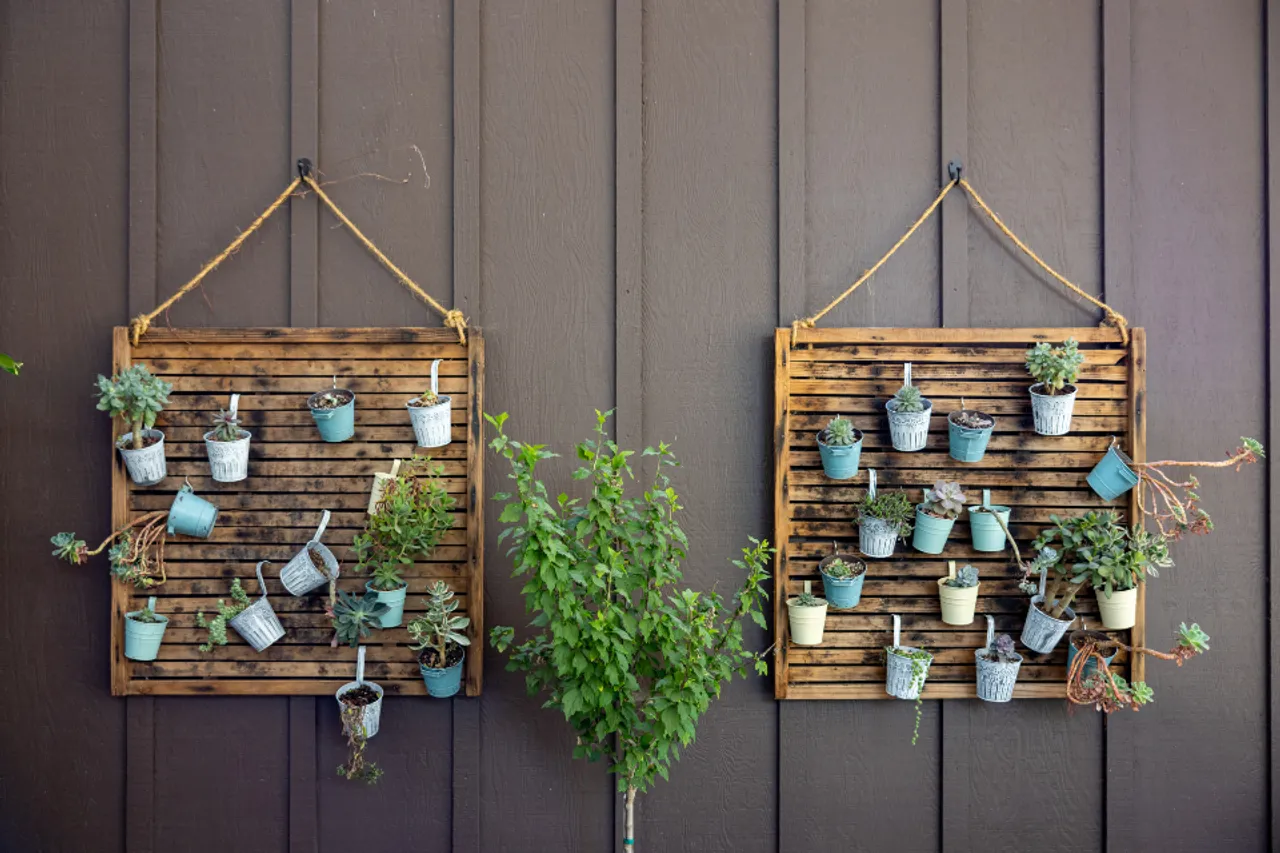
You do not need a yard to grow your own food. A windowsill, a fire escape, a railing, or a single south-facing wall is enough room for a garden that actually earns its keep — a steady supply of herbs for the kitchen, and a small patch of green that makes a cramped space feel twice as large. The trick is to stop thinking in beds and start thinking in containers, and to match each plant to the light you actually have, not the light you wish you had.
Start with herbs, because they pay rent
The highest-value plants for a small space are the ones you cook with. Basil, mint, chives, parsley, thyme, and rosemary all grow happily in containers, and a few snips of fresh herbs will change a weeknight dinner more than any houseplant. Basil and parsley want sun and regular water. Thyme and rosemary want sun but less water. Mint grows almost anywhere and will take over whatever pot you give it, which is why it gets its own.
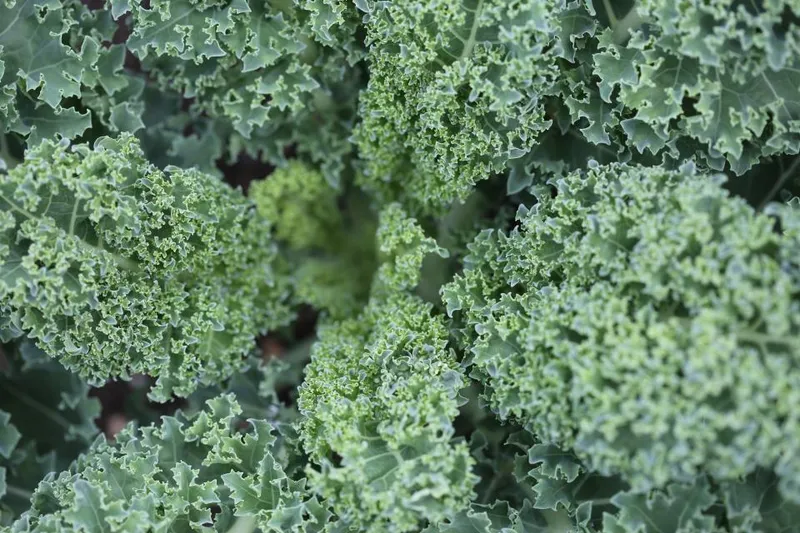
One windowsill box planted with basil, chives, and thyme will keep a small kitchen in herbs for months. It is the smallest possible garden with the biggest return. If you want one crop that goes further than a garnish, kale in a pot is the vegetable that earns its square foot in the same conditions.
Match plants to your light
Before you buy anything, watch your space for a day and be honest about the light. A south-facing window is full sun — most herbs and leafy greens will thrive there. An east window gets gentle morning light and suits salad greens and parsley. A north window is low light, and is better for mint and shade-tolerant greens than for tomatoes.
The most common small-space mistake is putting a sun-loving plant in a dim corner and blaming yourself when it sulks. The plant is not failing you; it is in the wrong window.
Water less often, water deeply
Containers dry out faster than garden beds, especially on a sunny balcony. But the answer is not to water a little every day. Water deeply, so the whole root ball gets wet, and let the top inch of soil dry between waterings. A pot that drains well and a saucer you remember to empty will do more for your herbs than any schedule. If you are forgetful, group your pots together — a cluster of plants shades its own soil and loses less water to evaporation than a line of singletons.
Think in walls, not just floors
The best unused real estate in a small space is vertical. Wall planters, railing boxes, and simple shelves turn a bare wall into growing area without taking a single square foot of floor. Herbs and trailing plants do especially well up high, where they get more light and stay out of the way. Just make sure whatever you hang is secured for wind — a balcony a few stories up is its own weather system, and a light planter can become a projectile in a gust.
Feed the pots, because they cannot feed themselves
A plant in the ground can reach for nutrients a few inches away. A plant in a pot can only reach the edge of the pot, and it will exhaust that soil within a season. Give container plants a gentle liquid feed every couple of weeks through the growing season, diluted to half the strength on the label. Herbs in particular produce more when they are regularly cut, and they need a little food to keep pushing out new growth.
Do not overdo it. A lightly fed plant in good soil will outgrow a heavily fed plant in tired soil, and too much fertilizer burns roots and leaves. Start light, watch how the plants respond, and let the harvest tell you whether they are getting enough. And replace tired potting mix each spring — a fresh bag of soil is the cheapest improvement a windowsill garden ever gets, and it resets the pot for another season of growth.
Winter on a balcony
A balcony garden in winter is not a dead space, it is a slower one. Most kitchen herbs stop growing as the light drops, and the ones that keep going are the woody Mediterranean kinds — thyme, rosemary, sage. Basil collapses at the first cold night, so treat it as a summer crop and sow fresh in spring.
Two things change as the light goes: water and food. Plants in a cold pot use very little, and the fastest way to kill thyme in January is to keep watering it on July’s schedule. Water only when the pot feels light, and stop feeding altogether until you see new growth. Cut back what has died, leave the rest, and let the space rest for a season.
A small garden is still a garden
The joy of a windowsill garden is that it asks so little and gives so much back. A handful of pots, a little sun, and a watering can you remember to use is a garden. Start with herbs, learn your light, water deeply, and let the plants teach you the rest. If your small space is floor rather than sill, the same thinking scales up a little — a small patio that feels like a garden room applies the same three moves to a few square feet of paving. The space is small, but the habit — growing something you can eat, a few feet from the stove — is not small at all.
 Small Spaces
Kale in a Pot: A Vegetable That Earns Its Space
One pot of kale keeps cutting for months, and it shrugs off the cold. Here is how to sow it, feed it, and harvest so the plant keeps producing. Soil & Compost
Potting Mix, Compost and Garden Soil: What Goes in a Pot
Garden soil in a pot is a bad trade. Learn what potting mix is for, where compost fits, and how to refresh last year's mix instead of buying new. Outdoor Spaces