Kale in a Pot: A Vegetable That Earns Its Space
One pot of kale keeps cutting for months, and it shrugs off the cold. Here is how to sow it, feed it, and harvest so the plant keeps producing.
Key takeaways
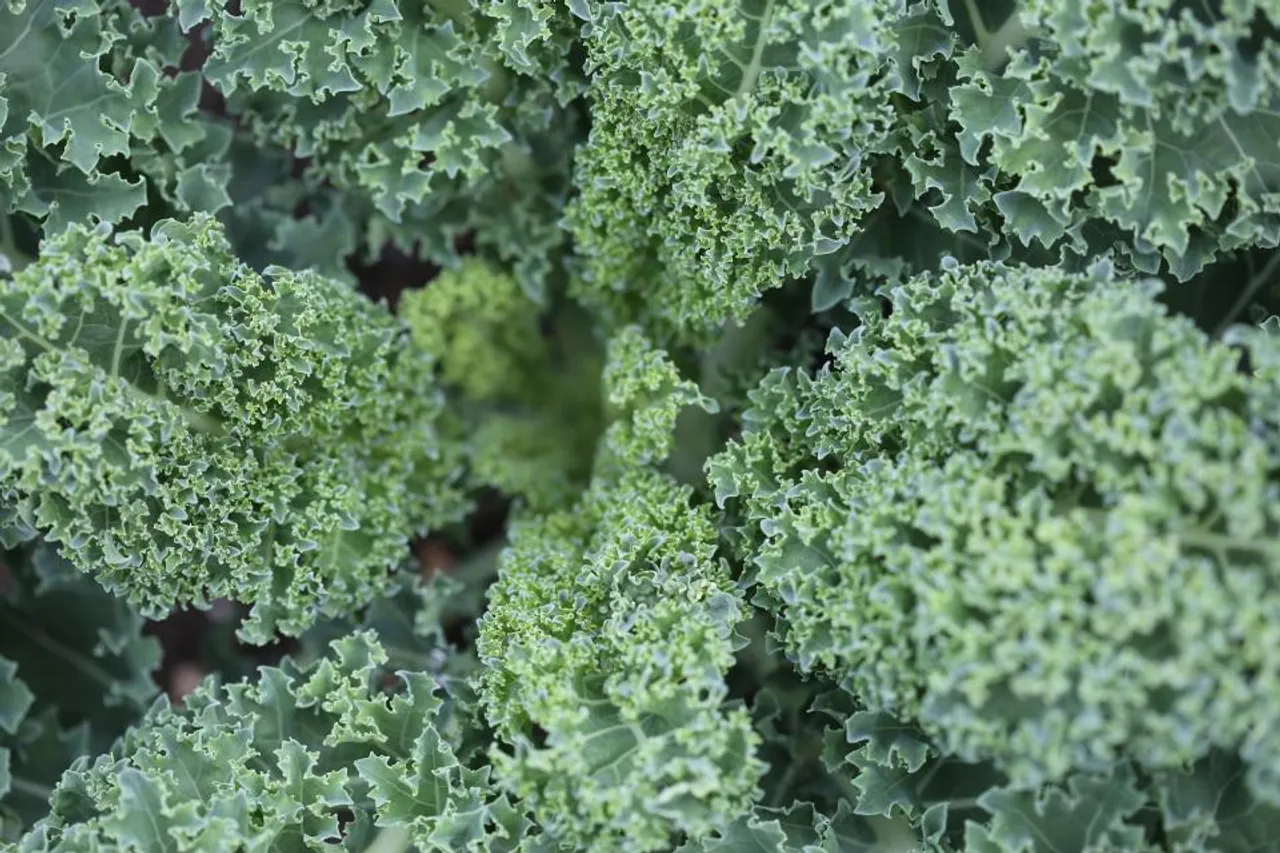
Most vegetables are a poor deal in a container. A tomato in a pot wants staking, feeding, and a summer of attention for a harvest you could buy for the price of the pot. Kale is the exception. It grows in a bucket, it tolerates cold that would end the rest of the vegetable garden, and it is grown for its leaves — which means the more you cut, the more it makes. For someone with a balcony and a few hours of sun, it is one of the few crops that actually justifies the space.
Why kale works where other crops do not
Kale is a brassica, and brassicas are leafy and undemanding compared with fruiting crops. It does not need to set fruit, so it does not need a long hot summer or a pollinator. It does not need deep soil, because its roots are shallow and fibrous. And it does not need to finish in one season, because you harvest it a leaf at a time over months rather than waiting for a single moment.
It is also cold-hardy, which changes what the pot is for. In a mild climate it will keep producing through winter, and in a colder one the plants will sit through frost and pick up again as the light returns. A pot of kale in November is not a failure; it is next month’s dinner.
The pot and the mix
Depth matters less than width for kale. A pot twelve inches across and at least ten inches deep holds one plant comfortably; a larger tub can take three, spaced so their leaves do not smother each other. Drainage holes are not negotiable — kale in a waterlogged pot will rot at the stem before it produces anything worth eating.
Fill it with a proper potting mix rather than garden soil or pure compost. Garden soil in a pot sets like concrete and drains badly; pure compost is rich and fine in a bed, but in a pot it compacts and holds too much water. The difference between the three is worth knowing before you fill a container, and what actually goes in a pot covers it in detail.
Leave an inch of space between the mix and the rim. That gap is what lets you water without washing soil over the edge.
Sowing, and the shortcut worth taking
Kale can be sown straight into the pot where it will grow, which avoids the transplanting step and the shock that comes with it. Sow two or three seeds an inch apart and a quarter inch deep, keep the mix damp, and thin to the strongest seedling once they are up. Eat the thinnings — a small kale seedling is a perfectly good salad leaf.
The alternative is buying a seedling, which is faster and often the better choice if you are starting late in the season and want leaves before winter. Either way, the plant in the pot should be a single strong stem. Two kale plants crowded into one small pot will both stay small.
Sun and water
Kale wants sun but is forgiving about it. Four to six hours of direct light is plenty, and it will tolerate a good deal less than a tomato would, which is why it suits a balcony that only gets morning sun. In a hot, exposed spot it will sulk and the leaves toughen; some afternoon shade is a favor, not a problem.
Water is where container kale differs from garden kale. A pot dries out far faster than a bed, and kale that dries out goes leathery and bitter. Water thoroughly when the top inch of the mix is dry, until water runs out of the bottom, and empty the saucer. In hot weather that can mean every day. In cool weather the same pot might go a week.
Harvest so the plant keeps producing
The harvest is the whole point, and the method decides how long the plant lasts. Do not cut the growing tip off the top of the plant — that ends its run. Take the oldest leaves from the bottom of the stem, cutting the stalk cleanly and leaving the young leaves at the center to keep growing.
Take a few leaves from each plant at a time rather than stripping one plant bare. A kale plant with its growing point intact and some leaves left will keep pushing new ones from the middle for months, which is why a single pot can keep a kitchen in greens through a whole season. Any leaf that has gone yellow or leathery should come off regardless, so the plant stops spending on it.
The pests you will meet
Two problems find kale in a pot, and both have simple answers.
Caterpillars, usually the green larvae of the cabbage white butterfly, will strip a plant fast. Check the undersides of leaves every few days through the warm months and pick them off by hand; the eggs are small yellow clusters and crush easily. A fine net over the pot, held off the leaves with a couple of hoops, prevents the problem entirely and is the cleanest fix if you have the space for it.
Aphids gather in the growing tips and on the soft new leaves. A strong jet of water knocks them back, and repeated checks keep them from building up. Neither pest needs a spray, especially on a plant you are about to eat.
Feeding a leafy crop
Kale in a pot exhausts its mix quickly, because every leaf you cut takes nutrients with it. A liquid feed every couple of weeks through the growing season keeps it producing, and a top-up of compost around the base of the stem once a season refreshes the mix and replaces what has washed out.
Do not overfeed it, though. Too much nitrogen pushes soft, sappy leaves that aphids love and that taste flat. A steady, moderate feed produces the firm, dark leaves you actually want. Weak and often beats strong and rare.
When it bolts, and what to do about it
In its second spring, or in a sudden hot spell, kale will send up a flower stalk. The leaves on that stalk turn small and bitter and the plant’s energy goes into seed. That is not a failure, it is the plant finishing. Pull it, and put something else in the pot.
If you want to keep growing through the year, sow a fresh pot before the old one finishes rather than waiting for a gap. Succession sowing — a new pot every couple of months — is what keeps a small space in continuous supply. The same logic of staggered planting is what makes a balcony garden in a window box work for herbs: a few small plants at different stages beat one big planting that all arrives at once.
One pot, months of leaves
Kale will not feed a family, and it is not meant to. What it will do is give you a cutting of leaves most weeks from a pot you can carry, in weather that has shut the rest of the garden down. Sow it, water it properly, cut from the bottom, and let it keep going. For a small space, that is a very good return on one square foot.
 Small Spaces
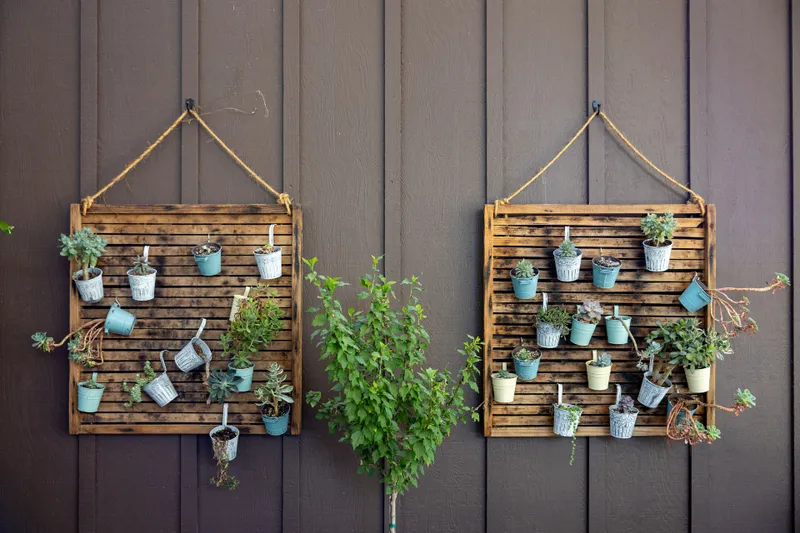
A Balcony Garden That Fits in a Window Box
Even a windowsill can grow a week's worth of herbs. Set up a small-space garden that survives sun, wind and a forgetful week, one pot at a time. Soil & Compost
Potting Mix, Compost and Garden Soil: What Goes in a Pot
Garden soil in a pot is a bad trade. Learn what potting mix is for, where compost fits, and how to refresh last year's mix instead of buying new. Outdoor Spaces