Houseplants for a Dark Hallway
Not every room gets direct sun. These low-light houseplants settle into a dim corner without a grow light, and they want less water than you think.
Key takeaways
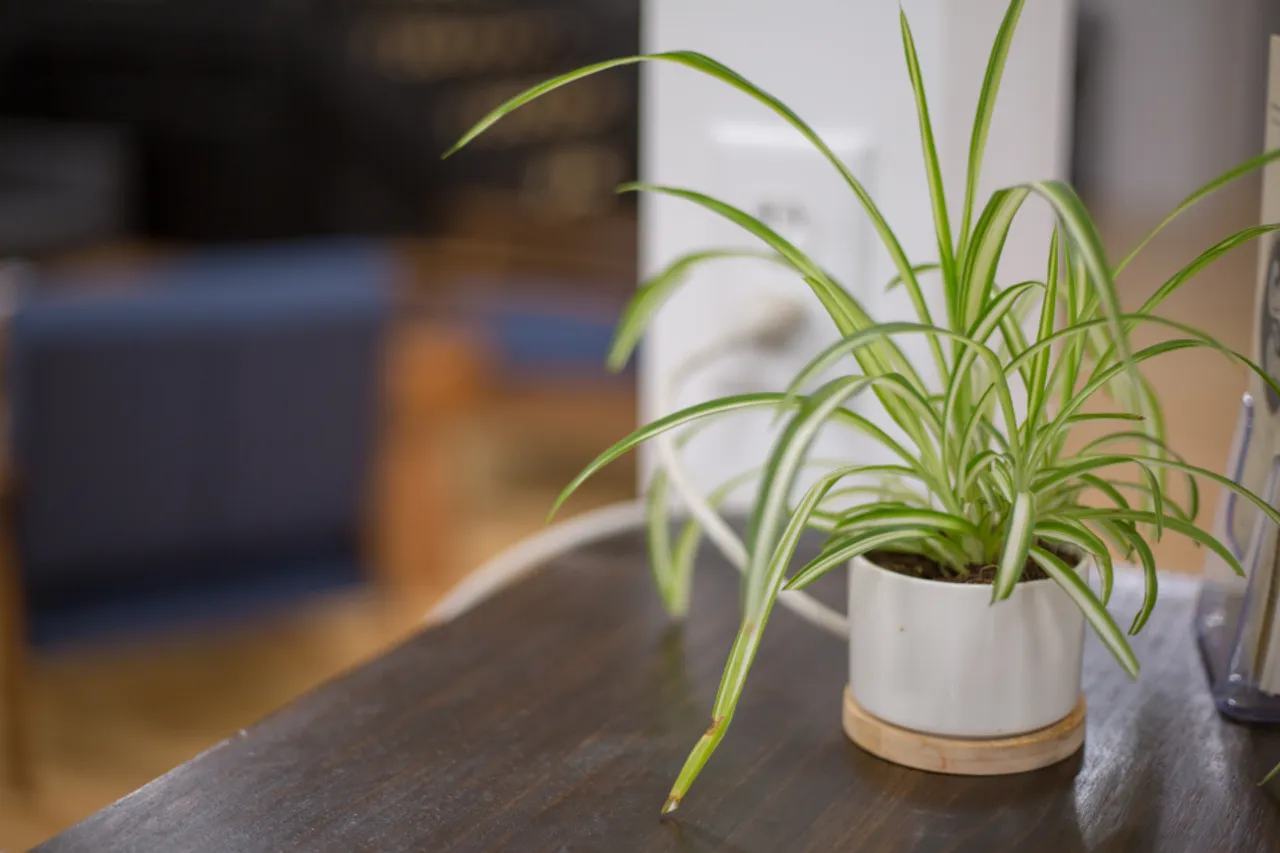
Every home has one: the hallway, the far corner of the living room, the spot next to the front door that never sees direct sun. It is the place a houseplant goes to die — but only if you choose the wrong plant. Plenty of houseplants not only survive low light, they prefer it, because in the wild they grow on the forest floor under a canopy of taller plants. The secret is to pick a plant that evolved for shade, then stop fighting the room.
What “low light” actually means
Low light does not mean no light. A plant still needs to see the sky, or at least a bright reflected glow, to photosynthesize. A corner a few feet from a north-facing window is low light. A windowless closet with the door closed is no light, and no plant will live there long without help.
So the first move is honest placement. Put your plant as close to the window as the room allows, even if that window never gets direct sun. A plant in a dim corner near a bright window will do far better than the same plant shoved against a dark wall.
The plants that actually tolerate shade
A few houseplants are famous for low light because they genuinely thrive there. The snake plant is nearly indestructible: it shrugs off neglect, low light, and irregular watering. The pothos and the philodendron are trailing vines that grow in shade and forgive almost anything, which is why they show up in offices and waiting rooms. The ZZ plant is slow but unkillable, with glossy leaves that look good in a dim corner. The cast iron plant earns its name — it has been surviving dim Victorian parlors for over a century.
For a hallway, start with one of these. They are not exciting, but they are reliable, and a reliable plant in a dark corner is worth ten dramatic ones that died there.
Water less, because shade drinks less
The most common way to kill a low-light plant is kindness. In low light a plant grows slowly, and a slow-growing plant uses very little water. Water only when the top inch or two of soil is dry, and be ready to wait longer than you expect between waterings. In a dark hallway, a snake plant might want water once a month. Overwatering in shade is the one mistake these otherwise-tough plants will not forgive, because wet soil in a dark room rots roots fast.
Pot size matters more in a dim room
A plant that is barely growing should not sit in a big pot. A generous pot holds a lot of wet soil around a small root ball, and in a dim room that soil can stay damp for weeks — which is the same rot, arriving slowly enough that you blame the plant. Choose a pot only a little wider than the root ball, make sure it has a drainage hole, and empty the saucer.
Repot when the roots come out of the drainage hole or circle the surface, not on a calendar. A low-light plant may sit in the same pot for years, and that is normal. When you do move it up, go one size, not two, and use a mix that drains freely rather than a heavy one that holds water.
Help the plant help itself
A few small habits make a dim corner far more hospitable. Wipe dust off the leaves now and then — dust blocks what little light there is. Rotate the pot a quarter turn each month so the plant grows evenly toward the light instead of leaning into the wall. And if the room truly has almost no light, move the plant to a brighter spot for a few days every couple of weeks to give it a chance to catch up. These are small gestures, but in a dark room they are the difference between a plant that survives and one that actually looks healthy.
Know the signs of too little light
A low-light plant will tell you when even the dim corner is too dim. It stretches toward the window, its stems get long and sparse between leaves, and new leaves come in smaller than the old ones. This reaching is the plant’s way of hunting for light, and it is the clearest sign the spot is darker than the plant can handle. It is the same story told in miniature by any houseplant in the wrong window: what the damage on a plant’s leaves is telling you covers the rest of the symptoms.
If you see that, do not just leave the plant there and hope. Move it closer to the window, or rotate it more often, or give it a regular turn in a brighter room. The tough low-light plants will survive a dim corner, but “survive” and “thrive” are different, and a plant that is stretching is asking for a little more than you are currently giving it. Small changes in position, made early, keep the plant compact and healthy instead of long and weak.
One good plant beats three struggling ones
The lesson of a dark hallway is to work with the room instead of against it. Choose a plant that evolved for shade, place it honestly near the light, and water it far less than your instincts say. One healthy snake plant or pothos in a dim corner will do more for the room — and for you — than a shelf of half-dead sun-lovers. If you are working with a shelf rather than a corner, plants on a shelf without the clutter is the same set of decisions made at height. The plant is not the problem. The match is.
 Home & Interiors
Plants on a Shelf Without the Clutter
A shelf of plants can look calm or chaotic, and the difference is light, height and space. Six rules for greenery that still reads as furniture. Plants & Care
How to Water Houseplants: 2 Simple Signals to Read
How to water houseplants without drowning them: read two signals instead of a calendar, give a proper soak, and know when to wait a day instead. Small Spaces