Indoor Plant Shelf: 5 Simple Rules That Keep Plants Alive
An indoor plant shelf fails on light, water and weight before it fails on taste. Measure the gap, the foot-candles at shelf height and the pot you load on it.
Key takeaways
- Light at shelf height is not the light in the room: a north wall a few feet from glass reads about 75 foot-candles, and a shelf lower down can read less.
- Water is what kills shelf plants. Take each pot to the sink, soak it until it drains, empty the saucer, then put it back.
- A 10-inch pot holds roughly three gallons of mix, and a soaked pot is heavy. Heavy pots go on the bottom shelf, and a tall unit gets anchored to the wall.
- Leave one gap at the end of the shelf. Plants grow into it, and it is the space that lets you reach the saucer.
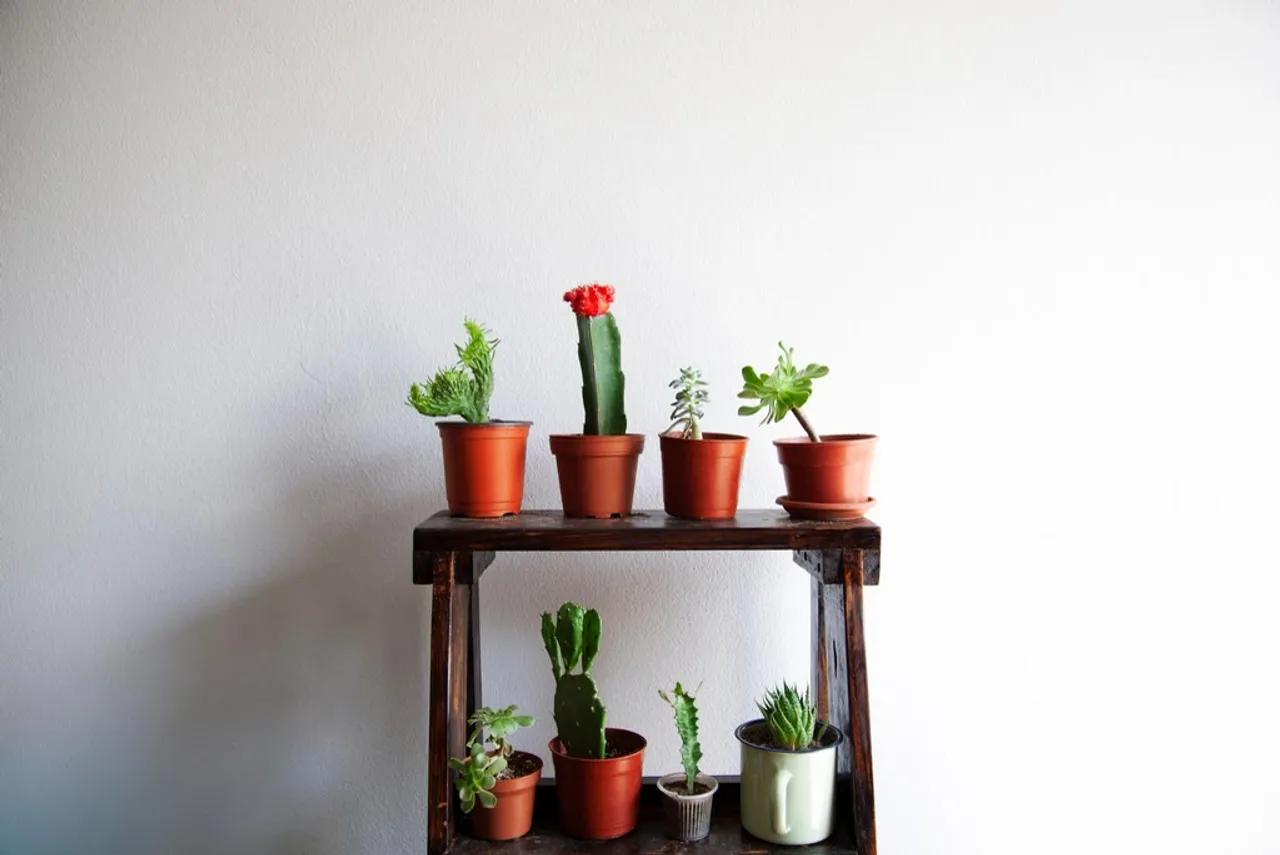
An indoor plant shelf fails for reasons you can measure. Light that never reaches the second tier. Water with nowhere to go except into the board. A pot heavier, when soaked, than the shelf was built to carry. None of that is a matter of taste, and none of it is fixed by buying better-looking pots.
I have built two indoor plant shelves in rented apartments, and the first one taught me the expensive lesson: eight plants, evenly spaced, all of them fine for six weeks and then a slow collapse from the middle outward. The plants were not the problem. The position of the indoor plant shelf was.
These five rules are the ones that kept the second shelf alive for two years: measure the light at shelf height, read the gap before you choose a plant, choose for shape rather than for wish list, water at the sink, and put the weight where the shelf can take it. Plant shelf styling comes after that, and it is far easier once the plants are not dying.
What an indoor plant shelf really asks of you
A shelf is furniture with a job, and the job is holding objects at a height you can see. Adding plants does not change the job; it adds three constraints to it.
The first is light, and it is almost always worse than the room suggests, because light falls off quickly with distance from glass. The second is water access: a pot you cannot lift to a sink becomes a pot you water in place, badly, until the shelf stains or the roots rot. The third is load. Nobody prints a weight limit on a bookshelf, so the safe assumption is that the shelf is weaker than it looks and the bottom board is the strong one.
Get those three right and the fourth thing — how the shelf looks — takes care of itself, because a shelf of healthy plants with space between them reads as a considered arrangement rather than a collection. Most of the plant shelf styling advice online works backwards from that: it starts with the look and hopes the plants cooperate. It is also why the plants for shelves that work best are the ones that merely tolerate shade, not the ones that want it.
Measure the light where the plants will sit
Light intensity is measured in foot-candles, which Illinois Extension defines as the light one candle produces at one foot. Outdoors on a bright day that figure runs 10,000 to 12,000 foot-candles. Inside a house, Clemson Extension notes that even a well-lighted interior is often under 100.
That gap is the whole problem. Illinois Extension’s lighting guide is the most useful set of numbers to keep in your head, because it gives them as distances from a window rather than as vague words like “bright indirect”:
Light bands by foot-candle and by distance from a window:
| Band | Foot-candles | Where that is, per Illinois Extension |
|---|---|---|
| Low | about 75 | a north window a few feet away; east or west three to ten feet in; south fifteen to twenty feet into the room |
| Medium | about 150 | a north window directly in front; east or west a few feet away; south three to ten feet in |
| Bright | about 300 | directly in front of an east or west window |
| Direct sun | about 1,500 | a south window with the sun on the leaves |
- Low light, about 75 foot-candles: a north window a few feet away, an east or west window three to ten feet in, a south window fifteen to twenty feet into the room.
- Medium light, about 150 foot-candles: a north window directly in front, an east or west window a few feet away, a south window three to ten feet in.
- Bright light, about 300 foot-candles: directly in front of an east or west window, or up to five feet into a south-facing room.
A shelf is usually on a wall, and walls are where the light has already thinned out. An indoor plant shelf two feet below a north window is not in the “a few feet away” band; it is at the bottom of it or under it. This is why the same plant thrives on a windowsill and sulks one shelf lower, and why the plants for shelves that cope at the bottom of that band are a short list.
You can buy a light meter, but you already own one. A phone light meter app reads in lux, and one foot-candle is about 10.8 lux, so a reading of 800 lux is roughly 74 foot-candles — the bottom of the low-light band. Take the reading at midday, at the height of the leaves, with the room lights off. The number that matters is the one at the leaves on the indoor plant shelf you are planting, not the one at the window it faces.
A cruder test works if you have no app. Hold your hand flat over the shelf at midday and look at the shadow. A sharp, dark edge means there is enough light for foliage plants. A soft, faint shadow means low light, and the plant list shrinks to the shade-tolerant ones. No shadow at all means the shelf is decoration, and anything you put there is slowly starving.
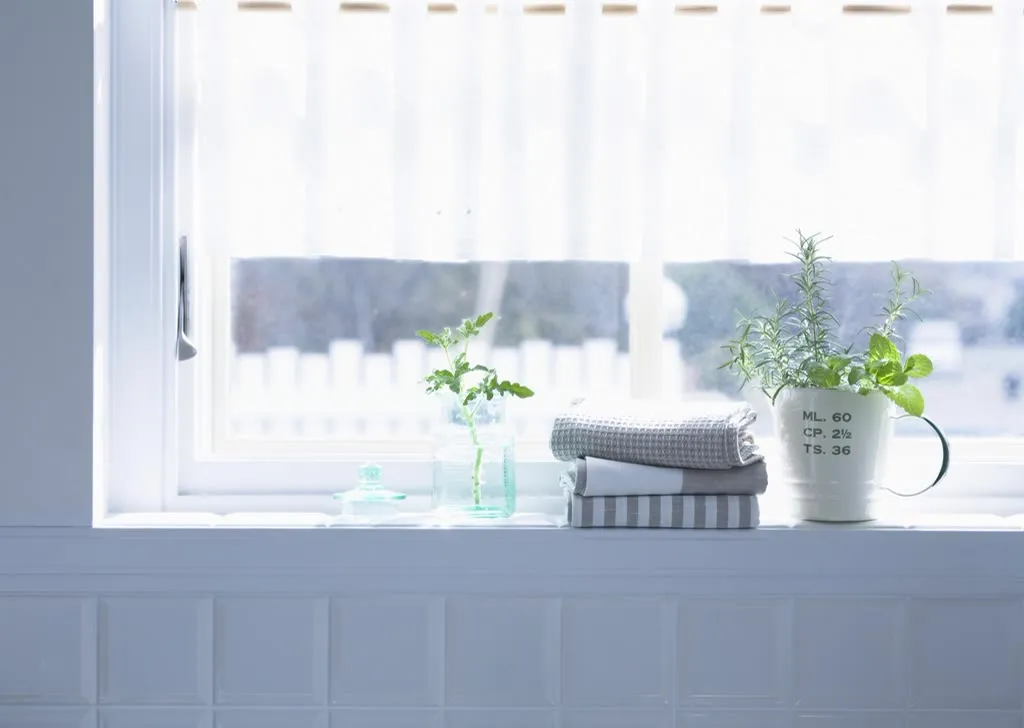
Light also changes through the year, which Illinois Extension lists among the factors that move both intensity and duration. When I measured my own shelf with a phone app last winter, the top tier read 90 lux on a gray afternoon while the windowsill beside it read over 2,000. A shelf that is comfortable in June can be marginal in December, and that is the season to move the thirstiest plant closer to the glass rather than to water it more.
Read the gap between shelves before you choose a plant
Every indoor plant shelf has a vertical budget: the distance from the board to whatever is above it. Measure it, then subtract the height of the pot and two inches of working room, and what is left is the plant you can have.
That arithmetic rules out most of the plants people want. A monstera in a 10-inch pot needs the better part of three feet. A snake plant’s leaves will hit the shelf above it and then bend. A gap of ten to sixteen inches, which is what most shelving units give you, suits pothos, a small Chinese evergreen, a parlor palm while it is young, and anything slow and compact.
Two practical details stop the gap from becoming a problem. First, put trailing pots an inch or two back from the edge so the base of the pot is fully supported and only the foliage hangs. Second, never put a tall plant under a shelf that holds something you reach for often, because you will knock it every time and the plant will lose leaves at exactly the height of your elbow. An indoor plant shelf that swallows a plant also leaves no room to lift the pot out and water it.
Which plants actually hold up on a shelf
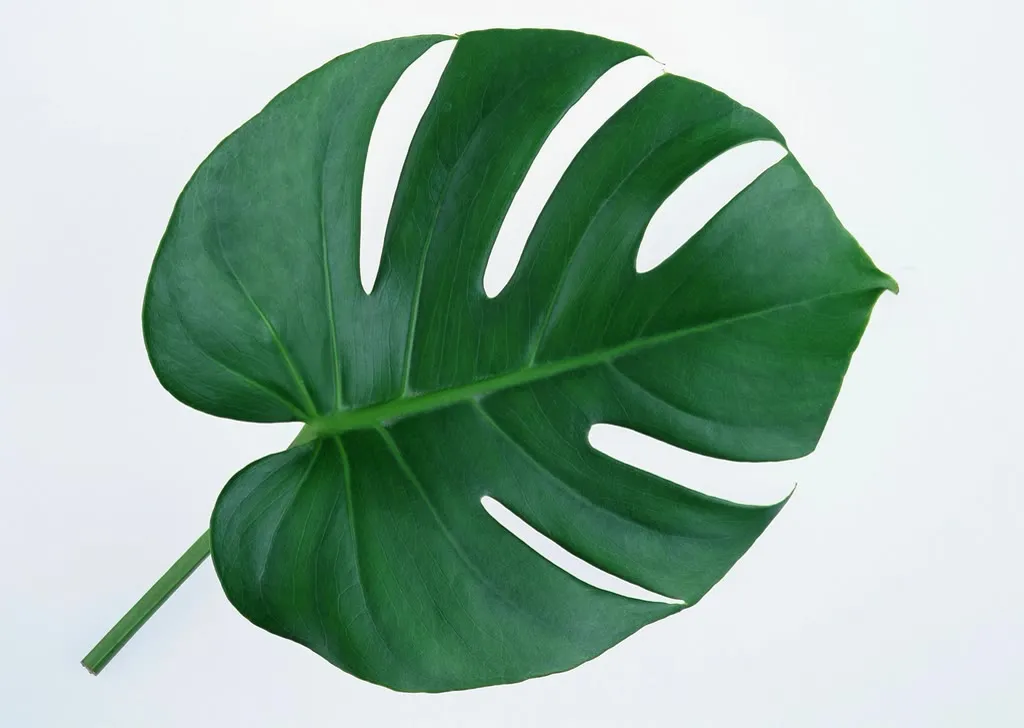
Start from a list the extension services have already screened for low light. Clemson Extension’s indoor plant factsheet puts Aglaonema (Chinese evergreen), Aspidistra (cast-iron plant), Chamaedorea elegans (parlor palm), Epipremnum aureum (pothos), Monstera deliciosa and Sansevieria trifasciata in the low-light group at around 100 foot-candles. Those six cover most of the shapes you need, which is why most plants for shelves come from that same short list.
The snake plant deserves its reputation, with one honest caveat. The RHS growing guide for sansevierias says they will thrive in sun or light shade, and NC State’s plant profile describes it as tolerating very low light while still wanting direct sun for only part of the day, two to six hours of it. Tolerating a dim shelf is not the same as growing on it: expect slower growth, narrower new leaves, and a plant that needs water rarely rather than often.
Pothos is the trailing answer for a shelf end, and it is on Clemson’s low-light list for a reason. It also grows fast, which is a feature and a hazard: within a season the vine will reach the shelf below, and anything under it gets shaded. Trim it or route it, but do not let it decide. Choosing plants for shelves that look calm two years later is mostly a matter of picking the slow ones.
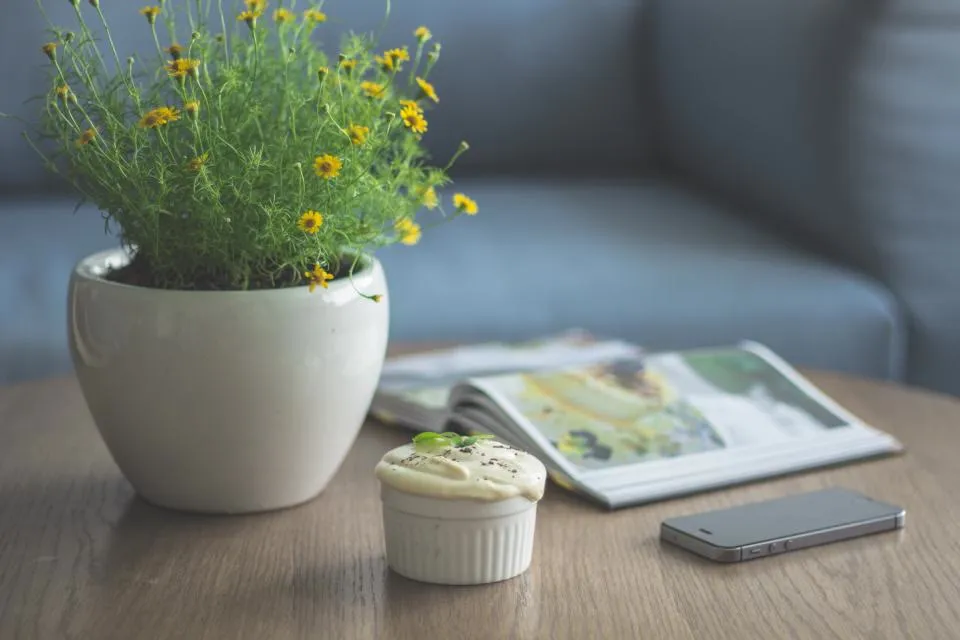
What does not work is the plant you bought for its flowers. Flowering houseplants generally want more light than a shelf offers, and the ones that tolerate low light will not flower in it. If the shelf is the only place you have, choose foliage with interesting leaves and let the flowers live by the window. That is why the best plants for shelves are bought for their leaves, not their flowers.
Watering access: the failure that starts with a saucer
Shelf plants die of watering more often than of anything else, and the reason is mechanical rather than botanical. You cannot soak a pot on a wooden shelf, so people water in place, in small amounts, and the salts and the moisture accumulate exactly where the roots are not.
Watering an indoor plant shelf is a lifting job, and the reliable method is the boring one. Take the pot to the sink, water it thoroughly so the excess runs out of the drainage holes, let it stand a few minutes, empty the saucer, and put the pot back. Clemson Extension gives the same instruction in one line: water the soil thoroughly and let the excess flow into a tray, which is then emptied. The RHS adds the shelf-specific warning — pour away any water that drains into the saucer, so the plant does not sit in it.
Clemson also makes a point that matters more on furniture than on a floor: never place pots directly in contact with carpet, floor or furniture, because the moisture damages the surroundings. On an indoor plant shelf that means a saucer under every pot, including the small ones, and a check of that saucer the day after watering rather than a week later.
For a pot too heavy or too awkward to lift, water in slow passes with a squeeze bottle and stop before water reaches the saucer. Then check with a finger two inches down, not at the surface. The surface dries first and lies.
There is one more water decision, and it is about the pot material. Clay is porous and lets air move through the sides, so the soil dries faster; Clemson notes that non-porous containers prevent evaporation through the sides, which means those plants need watering less often. On an indoor plant shelf in a dim room, where soil already dries slowly, that difference is the one that decides whether a plant survives its first winter.
Weight: the load nobody prints on the shelf
A wet pot is heavier than it looks, and an indoor plant shelf carries no printed load rating. That combination is why heavy pots belong on the bottom shelf and why a tall, narrow unit belongs against a wall.
Start with the volume, because you can calculate it. A pot ten inches across, filled nine inches deep, holds about three gallons of mix: the cylinder works out at roughly 707 cubic inches, and there are 231 cubic inches in a gallon. A six-inch pot filled six inches deep holds about three quarts.
Then add the water. A gallon of water weighs about 8.3 pounds, and a pot that has just been soaked is holding as much of it as the mix will take. I weighed an eight-inch pot on the kitchen scale the day after watering and it read eleven pounds, most of it water — enough that I would not trust it on a floating shelf whose rating came from a stranger on a listing page.
The practical rules are the ones a furniture installer would give you. Heavy pots go low, light pots go high. Spread the load along the board instead of clustering three pots in the middle of one. Do not hang a heavy pot from the front edge of a shelf, where the lever is longest. If the board flexes when you press it with one hand, it is already overloaded — and if you are building an indoor plant shelf yourself, a bracket under every board costs very little.
And anchor the unit. CPSC’s Anchor It! tip card puts it in two lines: secure your furniture, and store heavier items on lower shelves. A shelf of wet pots is top-heavy by definition, and the bracket costs less than one plant.
Air, dust and the gap you should not fill
Two small maintenance habits keep a shelf working, and both are about the leaves.
The first is dust. Clemson Extension points out that indoor plants collect dust and greasy films that dull their appearance, and that clean leaves are better for healthy growth because light reaches them. A damp soft cloth, wiping both sides of each leaf, is the whole method. Hairy leaves should be brushed rather than wiped, and leaf-shine products are not a substitute. Dust is the slow leak on an indoor plant shelf: it takes light away from leaves that were already short of it.
The second is air movement. Pots pressed together stop air moving around the leaves, and on a shelf the effect is doubled because there is a board above and a wall behind. Leave a hand’s width between pots. It also keeps the saucer at the back reachable, which is the thing you will otherwise stop checking.
Which brings up the hardest part of plant shelf styling: restraint. The instinct is to fill the shelf, and a filled shelf looks generous for about a month. Then the plants grow into each other, the middle ones lose their lower leaves, and you cannot get a saucer out without dismantling the arrangement. One gap at the end of the row is not wasted space; it is what lets the shelf keep working. Plant shelf styling that ignores the saucer is advice for a photograph, not for a shelf you have to water.
A shelf is also a project with a time dimension. Plants get bigger, and the pot that fitted the gap in spring will not fit it by fall. The RHS makes the same point about pots: sansevierias prefer a cozy fit and only need repotting once the roots and leaves have filled the container or are starting to buckle it. The answer is not a bigger pot on the same shelf; it is deciding whether the shelf or the plant has to move.
The first year, and what a shelf looks like after it
The first month is not a test. Plants moved onto a shelf are recovering from a change in light, and most of them will look worse before they look settled: a few yellow leaves, a pause in growth, sometimes a lean toward the window. Give each pot a quarter turn when you water it — the RHS’s own tip for stopping sansevierias from leaning — and judge nothing until eight weeks have passed.
The first winter is the real test, because the light drops and the watering has to drop with it. This is where the cheap mistakes show up: a saucer left full, a plant watered on a schedule instead of on a finger, a pot too large for its root ball sitting damp for a month. I lost three plants last winter to saucers that never drained and two more to pots two sizes too big, which is the whole of what I know about this and more than any list told me. A first winter on an indoor plant shelf is a reasonable thing to lose plants to; a second one is not.
By the second year the shelf has usually told you what it wants. Some positions are simply better than others, and the plants will show you which ones by growing toward them. Move the pots that are struggling, take off the ones that are not working, and accept that the final arrangement is a year’s work rather than an afternoon’s. That patience is the part no shopping list can supply.
That is the honest version of plant shelf styling: not a look you install, but a set of physical decisions — light, gap, water, weight, air — that you keep making as the plants grow. Get those right, and the indoor plant shelf looks after itself, including the part that is supposed to be about taste. Get them wrong, and no pot, no styling trick and no amount of watering will fix it.
If the shelf sits in a genuinely dark corner, the fuller method is in houseplants for a dark hallway, which covers how to judge a dim corner before committing a plant to it. For the watering routine itself, how to water houseplants takes the same sink method room by room, and snake plant care is the place to start if the shelf is dim and the plant is a succulent. More guides like this live under Home and Interiors, and the patio guide covers a small outdoor space treated the same way.
QUESTIONS GARDENERS ASK
Common questions
What plants are best for an indoor plant shelf?
Start with the plants that extension services list as low-light tolerant: pothos, Chinese evergreen, cast-iron plant, parlor palm, monstera and snake plant all appear on Clemson Extension's low-light table at around 100 foot-candles. Choose the shape for the gap you have, then check how much light that particular shelf actually gets.
How much light does a shelf get compared with a windowsill?
Much less. Illinois Extension puts low light at about 75 foot-candles, which is a north window a few feet away, an east or west window three to ten feet in, or a south window fifteen to twenty feet into the room. A shelf on a wall two feet below a north window sits at the bottom of that band, not the top of it.
How do I water plants on a high shelf without making a mess?
Take the pot down and water it at the sink. Water thoroughly until it runs out of the drainage holes, let it stand for a few minutes, tip away what collected in the saucer, then put the pot back. If a pot is too heavy to lift, water it in slow passes with a squeeze bottle and stop before water reaches the saucer.
Can a shelf hold the weight of potted plants?
Assume nothing until you check. A 10-inch pot holding nine inches of mix carries about three gallons of growing medium, and watering adds the weight of the water itself. Put the heaviest pots on the lowest shelf, spread the load along the board rather than clustering it in one spot, and anchor a tall or narrow unit to the wall.
Do plants on a shelf need a grow light?
Only if the shelf sits below the low-light band. Measure first: if the spot reads under about 75 foot-candles in daytime, the plants there will hold on but barely grow, and either the plant or the shelf needs to move. A grow light is a reasonable answer for a dark alcove, not a substitute for measuring.
Why do my shelf plants keep dying in the same spot?
The same spot usually means the same conditions: a saucer that stays full, a pot too large for the root ball, or light that reads brighter from the doorway than it is at the leaves. Change one thing at a time, and check the saucer the day after watering rather than assuming it drained.
How many plants should go on one shelf?
Fewer than you think. Leave a gap at one end and air between pots, because crowding stops air moving around the leaves and makes the saucer at the back impossible to reach. Five healthy plants read better than eight, three of which are down to their last leaf.
Sources
- Illinois Extension: Houseplants and lighting (foot-candle bands)
- Clemson HGIC: Indoor plants — cleaning, fertilizing, containers, light requirements
- RHS: How to grow sansevierias
- NC State Extension: Dracaena trifasciata plant profile
- US Consumer Product Safety Commission: Anchor It! tip card (secure furniture, store heavier items lower)
 Home & Interiors
Low Light Houseplants: 4 Easy Plants That Thrive in Shade
Low light houseplants that survive a dim hallway: four shade-tolerant picks, how to read your corner in foot-candles, and why water kills them first. Plants & Care
Snake Plant Care: 5 Simple Rules From 4 Years of Growing
Snake plant care without guesswork: how often to water in summer and winter, why leaves droop, when to repot, and how to propagate a plant you already own. Plants & Care
Yellow Leaves on Plants: 5 Causes and a Simple Test
Yellow leaves on plants are a diagnosis, not a verdict: five causes worth checking, from waterlogged roots to iron locked by pH, and a test that separates them.Reading us often? Add MyGreenyGarden as a preferred source on Google and our guides are more likely to be highlighted when you search.