Starting Seeds Indoors Without a Grow Light
A sunny window, a shallow tray and a bag of seed-starting mix will get most seeds up. What matters is depth, warmth and light from the moment they show.
Key takeaways
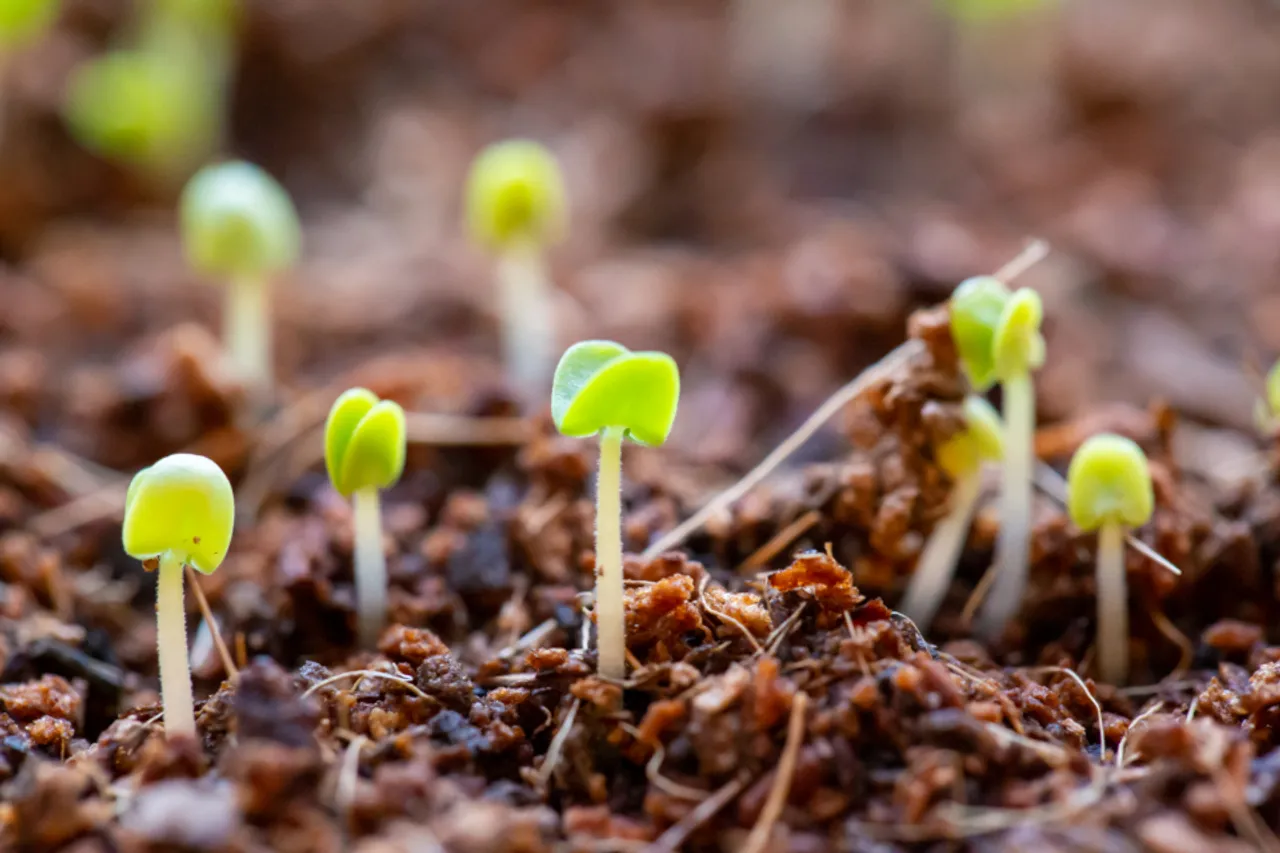
Every seed packet makes starting indoors sound like equipment. A heat mat, a light on a timer, a humidity dome, a fan for air movement. You can buy all of it, and you may eventually want some of it. But most of what decides whether a tray of seeds becomes a tray of plants is free: the depth you sow at, the warmth of the room, and how quickly you get the seedlings into real light once they are up. A bright windowsill and a little attention will carry a garden’s worth of seedlings.
Start with the seed, not the gear
Some seeds are easy indoors and some are not worth the trouble. Tomatoes, peppers, eggplants, basil, lettuce, and most brassicas — broccoli, cabbage, kale — come up readily in a tray and transplant well. Beans, peas, corn, carrots, and root vegetables resent being moved and are better sown straight into the ground where they will grow.
Read the packet for the one number that matters: how many weeks before your last frost the seed wants to be started. Count backward from your own last-frost date, not the date on a neighbor’s calendar. Sowing too early is the more common mistake, because a seedling that is ready three weeks before the weather is ready spends those weeks getting weaker on a windowsill.
The mix matters more than the pot
Use a seed-starting mix, not garden soil and not last year’s potting soil. Seed mix is fine, light, and sterile, which means it holds moisture evenly and does not carry the fungi that rot young stems. Garden soil in a tray turns into a brick and brings weeds with it. The difference between the bags on the shelf is worth understanding before you fill a tray — what actually goes in a pot covers the same ground for containers.
Almost any container will do as long as it has drainage: a shallow tray with holes, paper pots, saved nursery pots, even a cardboard egg carton with a couple of slits cut in the bottom. Shallow is better than deep. A seed only needs enough soil under it to send down a root, and a shallow tray keeps the whole root zone in the same moisture band.
Depth: the mistake almost everyone makes
The rule on the packet is usually a multiple of the seed’s own size — sow it about as deep as it is wide. That is small for most seeds. A tomato seed barely needs covering; a bean seed can go an inch down. Press the seed into the mix, cover it with a thin layer of the same mix, and firm it gently. Do not bury it.
A seed planted too deep has to push through more soil than it has energy for, and it either fails or comes up late and weak. When in doubt, shallower is the safer error, as long as the mix stays damp. Very fine seeds — lettuce, basil, some flowers — can be pressed onto the surface and left uncovered, with just a breath of mix over them.
Water from below and cover with something clear
Water the tray from the bottom for the first few weeks. Set it in a shallow pan of water and let the mix pull moisture up until the surface looks damp, then take it out. Top watering at this stage splashes seeds out of place and knocks over seedlings that have barely rooted.
Then cover the tray with a clear lid, a sheet of plastic, or a plastic bag to hold humidity in. Seeds need moisture to swell and split, and an uncovered tray in a heated room dries out in hours. Lift the cover once a day to let fresh air in and check the surface. As soon as the first seedlings are up, take the cover off for good — a covered tray of growing seedlings is a tray waiting for damping-off, the fungus that collapses stems at soil level.
Warmth for germination, light for growth
Seeds and seedlings want different things, and treating them the same is where most windowsill operations go wrong.
For germination, warmth matters more than light. Most vegetable seeds come up fastest at a temperature that feels warm to the hand — the top of a refrigerator, a shelf above a radiator, a warm room. Light is not needed until the seed has broken the surface, so a warm dark corner is fine at this stage.
The moment the first green shows, everything flips. A seedling needs light immediately and generously, because it is racing to build leaves before its stored food runs out. Move the tray to the brightest window you have and turn it every day or two so the stems grow straight instead of leaning.
What leggy seedlings are telling you
A seedling that grows tall and thin with a long pale gap between the soil and the first leaves is stretching for light. It is a light problem, not a variety quirk and not a feeding problem, and it will not fix itself by waiting.
The repair is simple and slightly brutal: give it more light, and if the stem is already long, repot it deeper so the buried stem can root. Tomatoes will root along a buried stem readily; most others tolerate being set a little lower. Then keep the tray close to the glass. A windowsill in a warm room can be bright enough to grow strong seedlings, but only if the plants are inches from the pane, not at the back of the desk.
Cool nights help too. Warmth plus weak light produces soft, floppy growth, and cooler air keeps stems sturdier — so crack a window nearby for part of the day, without a cold draft directly on the seedlings.
Feeding starts after the first true leaves
The first pair of leaves a seedling shows are seed leaves, and they come with the seed. The next set — the first true leaves, with the shape the plant will actually have — is when the seedling starts living on what you give it. From then on, a weak liquid feed every couple of weeks keeps it going, at about a quarter of the strength on the label. Seed mix has almost no food in it by design, so this is not optional if the plants will be in the tray for weeks.
Watering follows the same principle as any container plant: let the surface dry slightly between waterings, and water thoroughly when you do. The full method for judging when a pot is thirsty is the same at every size — see how to water houseplants without the guesswork — and it applies to a two-inch seedling tray just as well as to a mature plant.
Hardening off is not optional
A seedling raised indoors has never met wind, direct sun, or a cold night. Put it straight into the garden and it will scorch, wilt, or stall for two weeks. The transition has to be gradual.
Over a week or so, move the trays outside for a short spell each day, starting in shade and shelter, then lengthening the time and letting them take more sun and breeze. Bring them in at night at first, then leave them out once the nights are mild. By the end of the week they should be spending the day and night outside, and they will barely notice being planted.
The honest version
Starting from seed is slower and messier than buying seedlings, and in a bad spring the bought plants will beat yours into the ground. What you get for the trouble is choice — varieties no garden center near you stocks — and the plain pleasure of watching a seed become a plant you will eat from. Keep the tray shallow, the mix fine, the seed shallow, the light close, and the nights cool. Most of the failures in a first season are one of those five, and every one of them is free to fix next time.
 Plants & Care
Reading a Plant's Leaves: What the Damage Is Telling You
Yellow, crispy, pale or chewed — each kind of leaf damage points at a different cause. Here is how to read a plant before you reach for a fix. Plants & Care
How to Water Houseplants: 2 Simple Signals to Read
How to water houseplants without drowning them: read two signals instead of a calendar, give a proper soak, and know when to wait a day instead. Small Spaces