Spring Garden Cleanup: 6 Simple Steps, in Order
Spring garden cleanup in the right order: how to test the soil, what to cut back, what to leave for the bees, and the 2027 week-by-week timing.
Key takeaways
- Do not walk on a bed until a squeezed handful of soil crumbles instead of holding a wet ball. Compaction is the only spring mistake that lasts the season.
- Cut back only stems that are dead and hollow. Leave the rest until new growth shows, and cut perennials to about 15 inches, not to the ground, so stem-nesting bees can finish their cycle.
- Leave the leaves on the beds and leave them whole. Shredding destroys the overwintering stages of fireflies, moths and native bees.
- One inch of finished compost does more than any spring fertilizer, and it cannot burn roots.
- Divide fall-flowering perennials in spring and spring-flowering ones in fall; give each new piece several shoots and keep the soil cool.
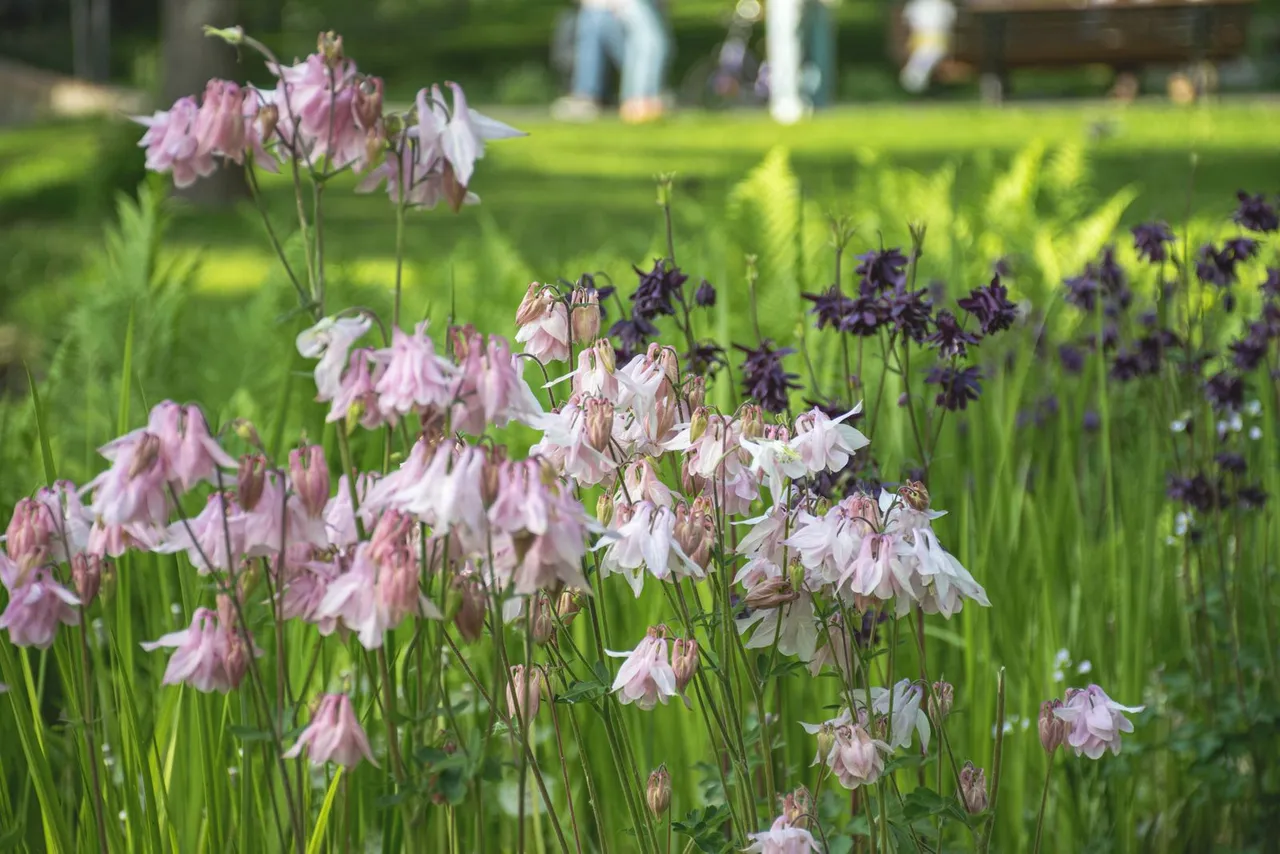
Spring garden cleanup has an order, and the order is the part most checklists leave out. Clear a bed in the wrong week and you compact soil that stays hard until fall, cut back stems that native bees are still using, or trim a bulb’s leaves before they have fed next spring’s flowers. Over seven springs in the same four beds I have made all three of those mistakes, in that order, and each one cost a season rather than an afternoon.
What follows is the spring garden cleanup sequence I use now: six jobs, each waiting on a condition rather than a date on the calendar. The condition is the soil, the weather, or the plant itself. Knowing which one you are waiting for is the difference between a cleanup that takes two weekends and one you end up doing twice.
Why the order matters more than the list
A spring garden cleanup list is a set of tasks. A cleanup order is a set of dependencies, and in a spring garden almost every job changes the conditions for the next one. Walk into a saturated bed to cut stems and you have compacted it before you start on the compost. Spread compost over leaves you meant to remove and you have buried them instead. Divide a clump before the soil has drained and you are working wet ground around open roots.
The order also matters because three of the jobs are not really about tidiness at all. Cutting stems and leaving leaves are habitat decisions, and the timing of both belongs to insects that are still dormant inside the material you are about to carry away. Compost is a soil decision, and soil does its best work when it is warm enough to be biologically active. Only the fifth job, edges and supports, is simple maintenance. Get the first four jobs of spring garden cleanup right and the garden starts the season ahead of you; get them wrong and you spend May fixing March.
Step 1: Wait until the soil is dry enough to walk on
The first job of spring garden cleanup is not a job. It is waiting for the top few inches of soil to stop holding water.
The reason spring garden cleanup starts here is pore space. A healthy garden soil is roughly a quarter air by volume, and that air is where roots breathe and where the soil’s own biology lives. Compaction squeezes those pores shut, and South Dakota State University Extension puts a number on where it starts to hurt roots: soils with a bulk density above 1.6 grams per cubic centimeter tend to restrict root growth. Their explanation of the mechanism is the part worth remembering. When oxygen runs out, anaerobic bacteria take over and produce alcohols, hydrogen sulfide, butyric acid and ammonia, and those compounds kill root cells.
You cannot see any of that from standing height. What you can see, in July, is a bed that dries into a crust, puddles in a light storm, and grows plants half the size of the ones two feet away. That is the bill for a March afternoon spent raking a wet border, and it arrives slowly enough that most gardeners blame the plants.
The soil test is the one every extension service still repeats, and it is the decision that shapes the rest of spring garden cleanup. Take a handful of soil from the top two or three inches and squeeze it. If it holds together in a wet ball, or smears between your fingers, the ground is still too soft to work and you should stay off it. If it crumbles when you open your hand, you are clear. I test three spots, because the bed against the south wall of my house drains about a week before the one at the bottom of the slope, and on the north-facing clay bed it is closer to ten days.
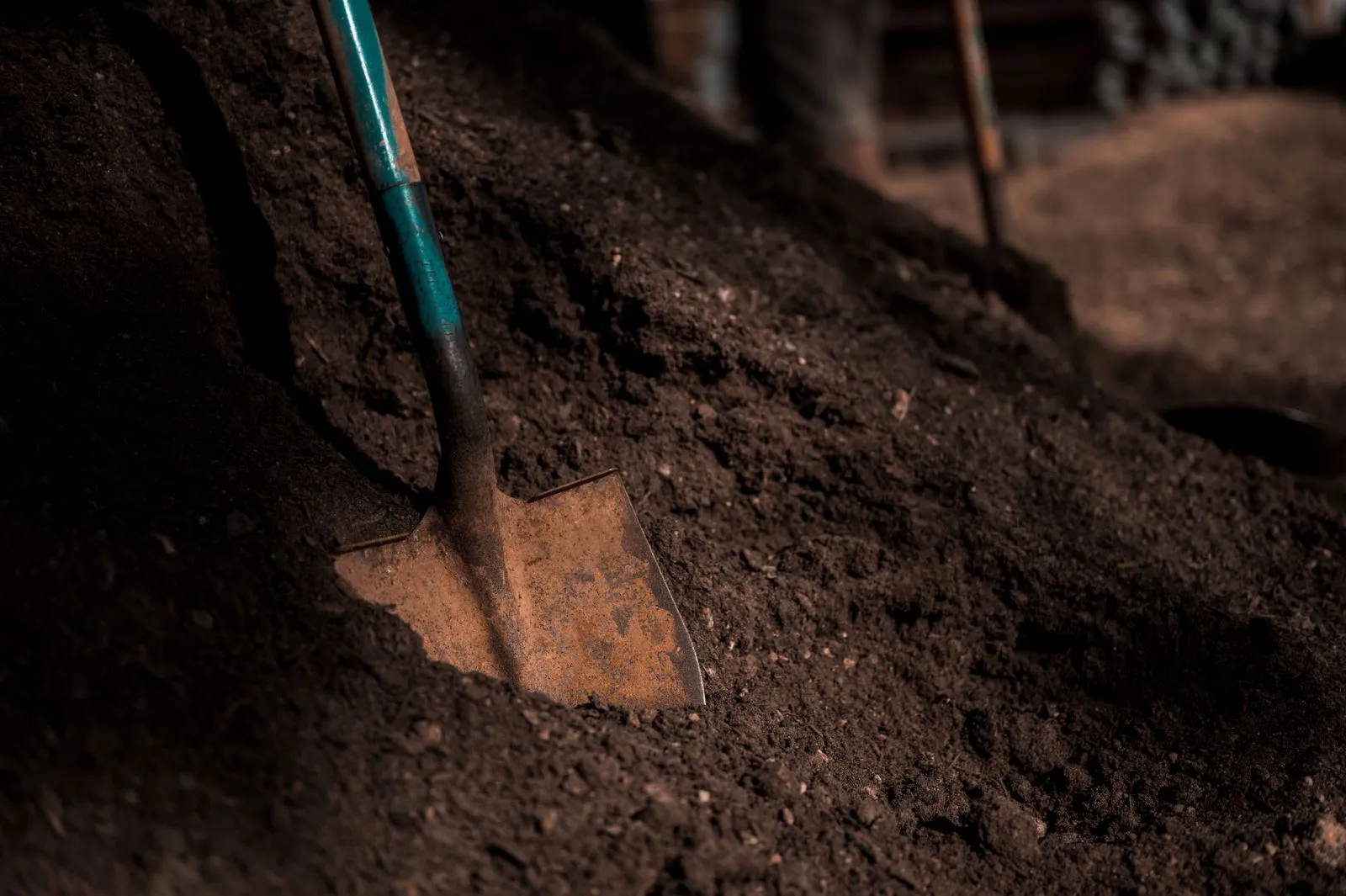
Two corollaries for the first week of spring garden cleanup. Do not rototill or fork a bed that fails the squeeze test, because a machine presses far harder than a boot. And if you must cross wet ground, cross it on defined paths and spread the traffic out, which is the same advice the extension service gives for lawns and beds alike.
Step 2: Cut back what winter is finished with, and only that
The second job of spring garden cleanup is to cut the stems that are dead and leave everything else until new growth tells you it is time.
The test for dead is physical, not aesthetic. A stem that snaps off cleanly at the base, shows no green under the outer skin when you scratch it, and is hollow down the middle is finished. A stem that bends rather than snaps, or shows green at the crown, is still a living plant, and cutting it now means cutting into tissue that has not started growing yet.
There is a second reason to leave stems standing, and it is the one most spring garden cleanup advice misses. UNH Extension explains that standing stems give native bees shelter to hibernate through the winter, and their spring instruction is specific: cut perennials back to about fifteen inches above the ground, not to the crown, so the bees nesting in the stubs can lay eggs and complete their life cycle. Illinois Extension puts a figure on the population at stake, noting that roughly 30 percent of Illinois native bee species are cavity nesters, and names coneflower, bee balm, Joe-Pye weed, ironweed and cup plant as the kinds of plants that hold them.
I learned that the expensive way. In the second week of March 2021 I cut a mature stand of Joe-Pye weed to the ground because the stubble looked untidy next to the neighbor’s clipped border. The clump came back shorter and later that year than it had in the two springs before, and the stems I carried to the brush pile had been the nesting sites. The cost was not the plant’s life. It was one season of a tall perennial that never got tall, plus a bank of bee habitat I had to grow back for two years. Since then, spring garden cleanup in my garden stops at fifteen inches.
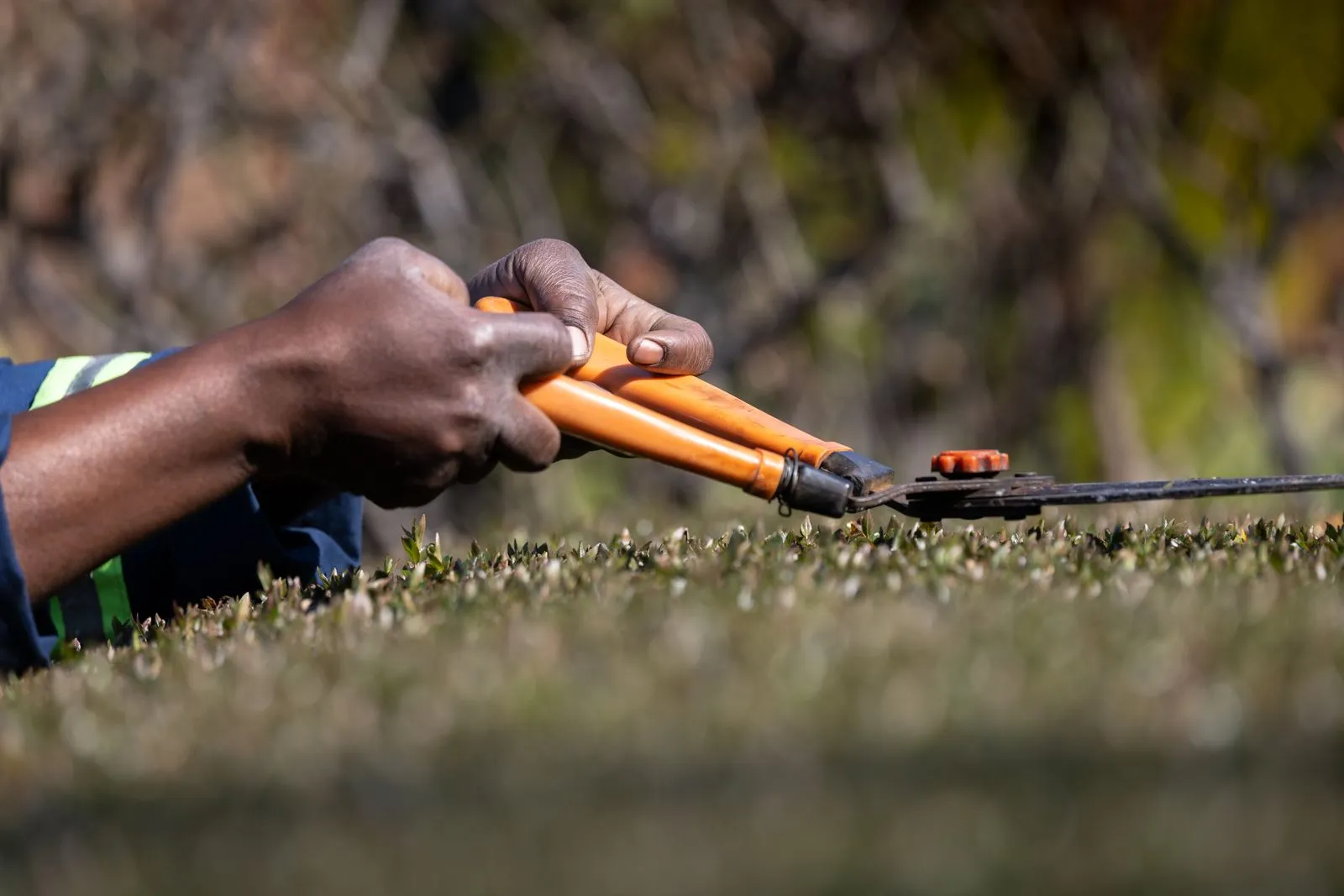
Two exceptions run the other way. Anything carrying disease goes now, in the trash and not the compost bin: mildewed leaves, black-spotted rose canes, anything with blight. Illinois Extension is blunt that diseased material should be removed and disposed of properly, and a hot compost pile is not a reliable cure for a fungal disease you are about to spread across the bed. And shrubs are a different job from perennials. Prune spring-flowering shrubs after they bloom, not before, or you cut off the flower buds that are already set.
Step 3: Leave the leaves, and leave them whole
Whole leaves on a bed are the cheapest mulch you will ever own, and a shredded leaf is worse than useless, because shredding destroys the insects inside it. This is the third job of spring garden cleanup, and the one to do most slowly.
UNH Extension is direct about the mechanism: leaf litter insulates the soil, shelters the pollinators that overwinter in it, and composts in place, which is why a garden that keeps its leaves does not need to buy bark mulch in spring. Their advice on shredding deserves a line of its own. Leave leaves whole, because shredding destroys the overwintering pollinator eggs, caterpillars and chrysalids along with the leaves.
Illinois Extension lists what is living in that layer: fireflies, which spend most of their lives as predatory larvae in leaf litter and soil; the queens of bumble bees, which hibernate in shallow chambers that leaves insulate; and moths and butterflies that spend winter as eggs, caterpillars or chrysalids hidden in the litter. Their practical instruction for spring garden cleanup is a compromise most gardens can manage. Rake the leaves off the lawn, where a thick mat suffocates turfgrass, and put them on the beds and under the trees as mulch.
In my beds, after four years of spring garden cleanup that leaves the leaves alone, the layer sits about two inches deep by December and is down to a scatter of veins by the middle of May, with the worms working underneath.
That is the whole point: the leaves are gone by the time the beds need to warm up, and I have not bought a bag of mulch since. Two adjustments keep it from becoming a problem. Pull leaves back off the crowns of low perennials as they emerge, because a wet mat over a crown in a cool spring is a rot risk. And if the leaves came off a plant with mildew or blight, they go in the trash with the stems.
One myth is worth retiring during spring garden cleanup, while you have a rake in your hand: pine needles do not acidify soil to any degree that matters. UNH Extension says so plainly, which makes a pine-needle mulch a free option under acid-loving shrubs rather than a hazard.
Step 4: Feed the soil with an inch of compost, then stop
The fourth job of spring garden cleanup is an inch of finished compost, which does more for the season than any bag of spring fertilizer and, unlike fertilizer, cannot burn a root.
The mechanism behind this step of spring garden cleanup is structural. Compost is organic matter, and organic matter is what lets a soil hold water without staying wet and hold air without drying out. SDSU Extension makes the point in the context of a wet spring: adding organic matter to soil, especially clay soils, loosens it and allows water to drain. That is the property you are buying, and it takes a season or two of annual top-dressing to build rather than one heroic application.
Spread it an inch deep over the bed and leave it there: that is the entire feeding program for spring garden cleanup. Do not dig it in, and do not spread three inches because you are in a hurry, because the soil can only use what it can incorporate. I use a fork to move it off the barrow and my hands to break up the clumps, and I stop at the crown of each plant rather than mounding it against stems.
What compost is not is a substitute for a soil test, and spring garden cleanup is the best time to take one. If you have never tested, a test through your county extension office tells you the pH and the phosphorus and potassium levels, which no amount of compost corrects on its own. What I would not do is blanket-feed with a synthetic fertilizer in a wet spring. SDSU Extension notes that heavy rain leaches nitrate out of the soil, and that denitrification converts more of it to nitrogen gas under waterlogged conditions, which is a polite way of saying the bag goes into the groundwater instead of into the plant.
If spring garden cleanup finds you without a supply of your own, starting a compost bin you can manage is the cheapest route to a spring top-dressing, and what actually goes into a potting mix explains the difference between compost and the bagged material sold as soil.
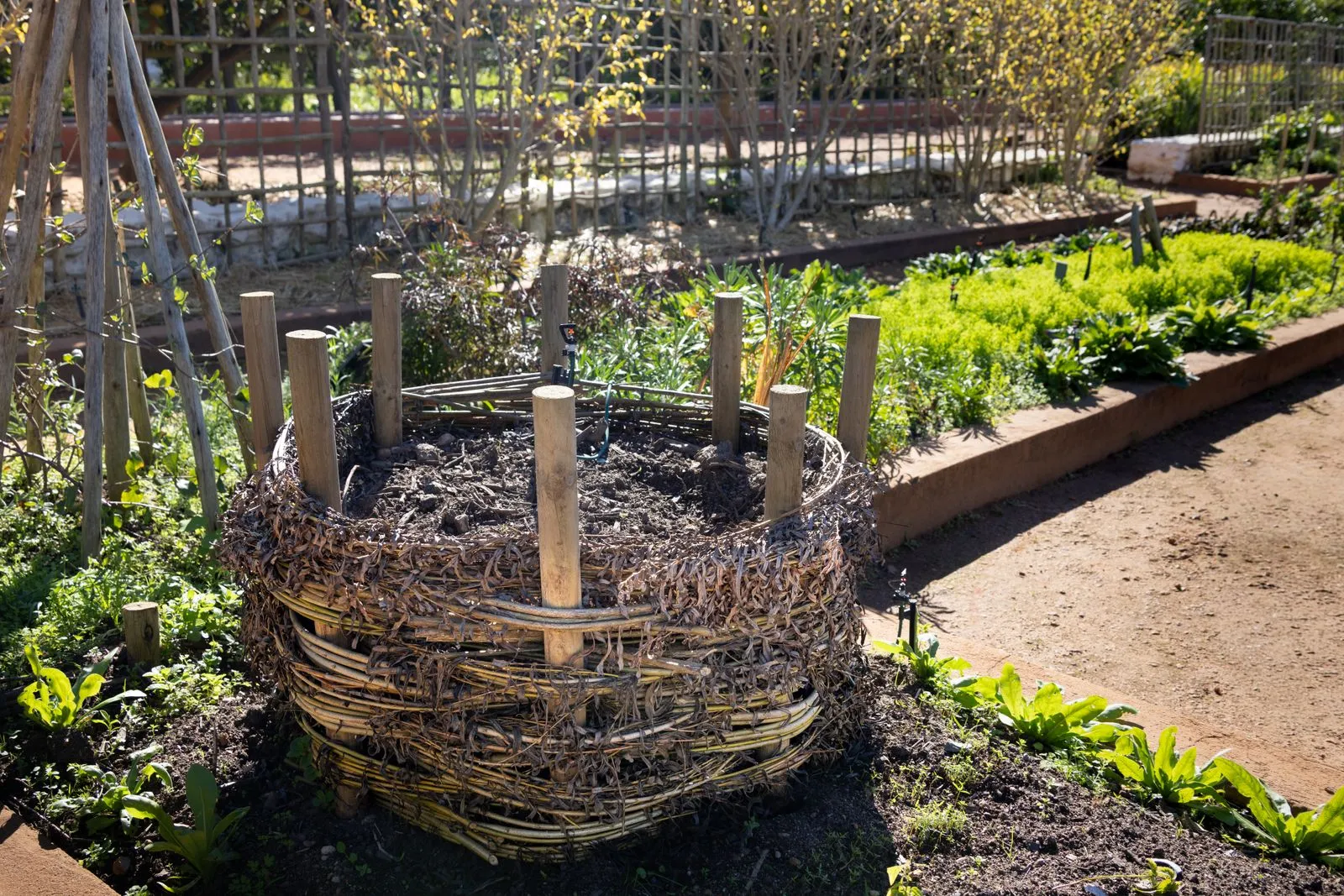
Step 5: Repair the edges, paths and supports before you plant
Fix the bones of the garden before you add anything to it. This is the step of spring garden cleanup that nobody photographs.
This is the job that gets skipped because it produces nothing you can photograph, and it is the one that pays every week from June onward. Cut the bed edge with a half-moon spade, straight down and two inches deep, so the grass has a clean line to grow into rather than a ragged fringe that creeps back by June. Top up the paths with whatever they are made of, because a path that has sunk below the bed level is a place where water stands against the bed.
Edges first, because a clean line is what makes spring garden cleanup look finished. Then walk the supports. Check every stake, trellis and obelisk for rot at the point where it enters the soil, because that is where they fail, and put the tall supports in before the plants that need them are tall. A delphinium staked in June has already been flattened by one storm; a stake set in April costs ten minutes. I lost a two-year-old climbing rose to a rotten trellis post that snapped in a July gust, which is why the posts in my garden are now sunk eighteen inches and checked with a twist every spring.
One thing belongs on paths and not on beds: your feet. Keeping foot traffic on defined paths is the same compaction advice as Step 1, applied for the whole season rather than one wet week.
If spring garden cleanup keeps meeting the same creeping edge every year, that is worth noticing rather than fighting. A border that keeps creeping into the lawn is asking for a wider bed, and taking back the hard-to-mow edges of the yard is easier than a spade war every March.
Step 6: Divide and move perennials while the soil is still cool
Divide in the season opposite the plant’s bloom: fall-flowering perennials in spring, and spring- and summer-flowering perennials in fall. That rule is the whole of the last spring garden cleanup job.
Iowa State University Extension explains why spring works for the late-flowering species: the root ball is easy to find under small foliage, nothing full-grown is in the way of the spade, and the plant has the rest of the season to fill out and re-establish. Their species table follows the same pattern, with asters, mums and sedum in spring and peonies and bearded iris in late summer. The fall window is mid-August through September, timed so the new divisions have at least four to six weeks before the ground freezes.
Divide when the plant tells you, not on a rotation: spring garden cleanup should answer the clump in front of you. ISU Extension lists the signals as a dead or dying center in the crown, declining bloom and growth, and vigorous spreaders that have crowded out their neighbors. Any one is a reason to look at the clump; a dead center is a reason to act.
The mechanics are ordinary and the details decide whether it works. Lift the whole root ball with a fork, separate it with a sharp knife or the spade, and give each division several shoots and its share of the root system, which is what ISU Extension recommends. Replant immediately at the level the plant grew at, firm it in, water, and mulch to hold the moisture. Newly divided perennials usually do not bloom well until their second season, so a sulking clump is not a failure.
The named failure in my own garden was a peony. I moved one in April because I was already digging that bed, and peonies belong in the late-summer group: they have deep, fleshy roots and are long-lived enough to be left undisturbed for many years. That plant sulked for two seasons and gave me three flowers in the third. A Baptisia is worse, because its long taproot makes division genuinely difficult; the extension advice is to leave it undisturbed and start new plants from seed.
Spring garden cleanup is also the moment to move a plant that has been struggling where it is. A shrub that never bloomed in the shade of the porch, a perennial drowning in a low wet spot: dig it now, while it is dormant or just waking, and give it a better home. Moving a plant in spring is a second chance. Moving it in July is a gamble.
Let the bulbs finish before you tidy them
Leave bulb foliage alone until it has yellowed and started to fall over on its own, however untidy that looks in May. Of all the jobs in spring garden cleanup, this is the one to postpone longest.
Illinois Extension explains what the leaves are doing: they are photosynthesizing to produce the food the bulb needs to form next year’s flower buds, and removing or mowing them early gives a smaller, weaker bulb that declines year by year. For small bulbs like snowdrops and squill that dieback comes quickly; for tulips and daffodils it takes several weeks.
The tidy-up instinct that drives most spring garden cleanup produces three specific mistakes, and the extension service names all of them. Cutting green foliage costs you blooms next spring. Tying or braiding the leaves into a bundle looks neater and reduces the light they can intercept, which means less food and the same decline by a slower route. And letting the plant set seed spends energy that would otherwise go into the bulb, so deadhead the spent flowers while you are standing there, which is the one job you should do early.
In my front border the daffodil foliage is ready to pull in the first week of June, and the year I cut it in the third week of May there were leaves and five flowers the following spring where there had been twenty. If the dying foliage bothers you, plant annuals or late-emerging perennials over it, which is the extension’s own suggestion and hides the problem without costing the bulb anything.
Feeding is optional and best done at emergence rather than after flowering. Illinois Extension suggests a fertilizer high in phosphorus and low in nitrogen, such as a 5-10-5, at one to two pounds per hundred square feet, watered or worked in. If you have never tested the soil, test it first.
The 2027 spring garden cleanup calendar, by region
Every spring garden cleanup window below is counted back from one number you have to look up yourself: the median date of your last freezing night.
That number is not your hardiness zone. Zones describe winter cold, which decides whether a plant survives; frost dates describe spring, which decides when you can work. Two gardens in the same zone can sit two weeks apart because of elevation, a slope, or distance from water.
SDSU Extension publishes frost maps built from 30 years of daily records for 1991 to 2020, showing the median, or 50th percentile, last date at or below 32 degrees Fahrenheit, plus the 10th to 90th percentile spread for early and late years. NOAA’s National Centers for Environmental Information builds the national map from the same 1991 to 2020 normals and adds the detail that matters for planning: its agricultural normals give the chance of freezing temperatures on any given day, so you can decide how much risk to carry rather than betting on a single date.
The regional pattern, as NOAA describes it, is that in the Northeast and Southeast the last spring freeze progresses through time as you move northward, while the West is more complex because elevation and coastal influence move the date in both directions over short distances. South Florida typically saw its last freeze before January 16 in the normals period; parts of the Mountain West and the northern tier are weeks later than a same-latitude garden near a coast.
Here is the sequence as windows around that median date. Your median last frost is day zero.
| Job | Window | Why the window |
|---|---|---|
| Soil test with a squeezed handful | day −28 to +7 | ground has to drain before it can be walked on |
| Cut back dead stems to about 15 inches | day −7 to +21 | wait until new growth is visible at the crown |
| Leaves off the lawn, onto the beds | day −14 to +14 | before the turf greens up under a mat |
| An inch of compost | day +7 to +28 | soil warm enough for the biology to work |
| Edges, paths, supports | day −14 to +28 | any workable day; do it before planting |
| Divide and move perennials | day −14 to +21 | cool, moist soil before summer heat |
| Clear bulb foliage | about six weeks after bloom | when it has yellowed on its own |
Worked once, a spring garden cleanup calendar becomes a diary. If your station’s median last-frost date is April 15, your soil test is the last week of March at the earliest, your cutting-back window runs from about April 8 to May 6, your compost goes down in the last week of April, and your division window closes around May 6.
In a warm year the 10th-percentile date pulls all of that forward; in a cold one the 90th percentile pushes it back, which is why the table is written as windows rather than days, and why the soil test in the first row overrides every date below it. A spring garden cleanup calendar is a set of windows, never a schedule.
For 2027 the useful preparation is not another calendar but a measured one. Look up your station’s median date and its 10th and 90th percentile dates now, write the three numbers inside the cover of your garden notebook, and next spring you will know whether you are early, on time, or carrying risk. The same frost arithmetic is what sets your seed-starting dates, and it is worth doing both at once.
What a spring cleanup garden checklist usually gets wrong
Most spring garden cleanup checklists are written for the look of the garden in April, and the five things they get wrong each cost something specific.
- Starting with the rake. Clearing every leaf off every surface removes the winter cover of fireflies, moth pupae and bumble bee queens. Rake the lawn and leave the beds.
- Cutting everything to the ground. A clean cut to two inches looks decisive and evicts the cavity-nesting bees that make up about 30 percent of native bee species. Cut to fifteen inches and leave the hollow stubs.
- Tilling the beds. A rototiller on wet spring soil is the fastest way to compact the layer under the tines and destroy the structure compost spent a year building.
- Fertilizing first. In cold wet soil most of the nitrogen is leached or denitrified before roots can take it up. Compost feeds the soil; fertilizer assumes a plant that is already growing.
- Buying mulch. If the leaves stayed on the beds, you already have mulch. A bag of bark is a purchase you can skip for years at a time.
Not one of those is a crime against the garden. Each is a habit that made sense once, and each has a cheap correction. The spring cleanup garden that looks finished in the first week of April is often the one that looks thin in July, because the tidiness came out of the soil and the habitat.
Spring garden preparation: the jobs that pay back in July
Spring garden preparation is what the cleared beds then allow, and it is a shorter list than the cleanup itself. Everything here assumes the spring garden cleanup is finished.
Sharpen the tools first, before spring garden cleanup gets busy, because a blunt blade bruises a stem instead of cutting it and a bruised stem is an invitation. Check the hose and any irrigation line for splits that winter left, and run the system for five minutes before you need it, not on the first hot Saturday in June. Set the tall stakes and the peony hoops before the growth that needs them arrives. Mulch after the soil has warmed rather than on the day you clean up, because a thick layer over cold wet ground holds the cold in, which is the opposite of what a spring bed needs.
Then plan the water. A bed that drained badly in March will drain badly again, and the honest fix is a raised bed or a different plant rather than more compost. SDSU Extension recommends raised beds for exactly this problem, noting that they improve aeration and heat absorption in cold wet springs.
Two pages on this site are the natural next step. How to water houseplants is about pots rather than beds, but the finger test it teaches is the same one that decides your first spring job. And if the cleanup has left you with more bare ground than plants, growing vegetables in containers is a way to use the season while you decide what the bed should become.
The twenty-minute look back
Before you put the tools away, spend twenty minutes reading last year. It is the cheapest part of spring garden cleanup and the one that improves next year’s.
Take one photograph of each bed on the same date every spring, and keep them together: a photograph is the only record of spring garden cleanup that survives to next year.
In my notebook the four beds have a page each with five years of the same shot, and the pattern is obvious in a way that memory is not: the bed that looked empty in April filled in by June, and the bed I thought was overcrowded had a bare patch where a shrub had died and I had not noticed. Write three things down while you are standing there. What died over winter. What needs moving. What needs dividing. Next spring those three lines replace an hour of trying to remember.
That is the whole of spring garden cleanup, in the order it works: test the soil, cut only what is dead, leave the leaves, feed the soil an inch, fix the bones, divide while it is cool, and let the bulbs finish. None of it is difficult. All of it is easier in the right week, and every one of these jobs is faster the second year you do it in sequence. More seasonal timing lives in Seasonal Guides.
QUESTIONS GARDENERS ASK
Common questions
When is the right time to start spring garden cleanup?
Start with the jobs that never touch the soil, such as tools, supports and bed edges, as soon as the ground is workable. Leave cutting back and compost until a squeezed handful of soil crumbles instead of holding a ball, and until the ten-day forecast has no hard freeze in it. For most gardens that lands somewhere between four weeks before and two weeks after the median last-frost date.
What does a spring garden cleanup include?
Six jobs in a fixed order: test the soil before you walk on it, cut back only what winter killed, move leaves off the lawn onto the beds, spread an inch of compost, repair edges and supports, then divide and move perennials while the soil is still cool. Bulb foliage and tools come after that. Everything on the list waits on a condition, not on a date.
What is the difference between spring cleanup and spring garden preparation?
Cleanup removes what winter damaged: dead stems, matted leaves, broken supports. Spring garden preparation is what the clean beds then allow, which is compost, division, staking and the watering plan that carries the garden through July. Doing preparation on uncleared beds wastes both jobs.
Should I cut back perennials in spring or in fall?
Leave them standing through winter and cut them in spring. Standing stems shelter cavity-nesting bees and seed-eating birds, and spring cutting gives the insects time to emerge. Cut to about fifteen inches above the ground rather than to the crown, so the bees nesting in the stubs can finish. Anything diseased goes in the trash whenever you find it.
Do I have to remove all the leaves from my garden beds?
No. Whole leaves are free mulch and winter cover for pollinators. Rake them off the lawn, where they smother turf, and onto the beds and under shrubs. Keep them off the crowns of low perennials as those emerge, and bin any leaves that came off a plant with mildew, black spot or blight. Never shred them: shredding destroys the eggs, caterpillars and chrysalids inside.
When can I cut back daffodil and tulip leaves?
Only once they have yellowed and started to die back on their own, which takes several weeks after the flowers fade. The leaves are feeding next year's flower buds, so cutting them green costs you flowers the following spring. Do not tie or braid them either, because bundled leaves intercept less light and make less food.
Can I divide perennials in spring?
Yes, for perennials that flower in fall. Spring division gives them the whole season to root before winter, and the emerging shoots are small and easy to handle. Spring- and summer-flowering perennials are better divided in fall, and peonies, which have deep fleshy roots, are best left until then as well. Baptisia dislikes being disturbed at all.
How much compost should I put on a garden bed in spring?
About an inch of finished compost over the surface, left on top rather than dug in. It feeds the soil life that builds structure and drainage, which is what a bed coming out of a wet winter needs. A spring fertilizer cannot do that job, and quick-release nitrogen in cold, wet soil is money down the drain.
Sources
- SDSU Extension — Preparing and planting a garden in a cold, wet spring
- SDSU Extension — Last spring frost dates
- NOAA NCEI — When to expect your last spring freeze
- UNH Extension — Leaving leaves and flower stalks for wildlife
- Illinois Extension — Leave the leaves: fall cleanup affects beneficial insects
- Illinois Extension — Caring for spring-blooming bulbs after flowering
- Iowa State University Extension — How to divide and transplant perennials
 Soil & Compost
DIY Compost Bin: 5 Simple Builds, Ranked by Skill and Cost
Build a diy compost bin that holds heat: five extension-service plans compared by skills, materials and size, plus the siting and fixings that matter. Outdoor Spaces
Growing Tomatoes in Containers: 5 Simple Rules for Pots
Growing tomatoes in containers works when the pot is measured in gallons: minimum pot volume, watering a small root zone, and varieties that fit a pot. Outdoor Spaces
How to Build a Raised Garden Bed: 6 Simple Steps
How to build a raised garden bed in one weekend: six steps from siting and lumber to a soil mix that drains, plus the 2027 dates to fill it by weather station.Reading us often? Add MyGreenyGarden as a preferred source on Google and our guides are more likely to be highlighted when you search.